
November 22, 2026
Abandoned vehicles and neglected berm edges can disrupt a car park’s day-to-day use. Car park maintenance in Auckland includes identifying these issues and planning an appropriate response for the site. They sit alongside routine upkeep, but each may require a different approach to keep the area orderly and accessible.
Keeping a car park in working condition takes more than maintaining driving and parking surfaces. Site boundaries, vehicle access and surrounding areas matter too. This article explains how abandoned vehicles and berm maintenance fit into car park maintenance in Auckland, what practical factors shape the work, and how to plan professional support. It also shows how to include these concerns in a wider maintenance programme, rather than leaving them until they affect the site’s use or presentation.
Key Takeaways
- Understand which site conditions and work requirements shape maintenance costs, without confusing public parking charges with contractor fees.
- Plan inspection intervals around the car park’s condition and use, so emerging issues can be addressed as part of scheduled maintenance.
- Learn how professionals assess asphalt and concrete surfaces and decide on suitable repair work.
- See how abandoned vehicles and berm upkeep fit into wider property maintenance, and where Service King Commercial’s building maintenance services can help.
Table of Contents
How much does car park maintenance cost in Auckland?
A maintenance cost is the amount charged for site upkeep. There is no single charge for every Auckland car park: the required work shapes the estimate. Clearing debris, for instance, differs from repairing damaged pavement. The site’s size and layout also affect the work. A quote should describe the tasks and make the proposed scope clear.
Scope means the specific work included in maintenance. It may cover surface cleaning, repairs or exterior upkeep. A quote accounts for the time, materials and access involved. A localised repair differs from widespread surface damage, while drainage problems may require separate work. Berm edges and abandoned vehicles can also need separate attention. Assess each issue in the context of the site’s overall requirements.
Condition describes the state of a car park’s surfaces and features. Cracks, loose material and worn markings can change the work required. A localised defect, for example, differs from damage across several parking bays. Asphalt and concrete also call for different repair approaches. The scale and location of defects affect access and planning, so a clear site assessment helps identify the necessary tasks.
Access describes how easily maintenance teams can reach the affected area. Busy entrances and occupied parking spaces can shape scheduling. A repair near a main vehicle route, for example, may need careful coordination. The site layout, access restrictions and work area all influence planning and the time and resources required. Include these details when setting out the maintenance scope.
Public parking charges are separate from a maintenance quote. They concern parking, not the cost of repairing or maintaining a private car park. Keep the budgets separate: a parking tariff does not indicate what site work will cost.
The price for professional maintenance depends on the work required and is provided after a quote request. Key factors include scope, surface condition, materials, access and any separate repairs. A quote can list the tasks and associated costs. If both surface cleaning and pavement repairs are needed, for example, they should appear as distinct work items.
To make a useful request, describe the location and visible issues. Say whether the concern involves asphalt, concrete, a berm or an abandoned vehicle. Note access constraints and the areas affected. These details help define the assessment and quote. For car park maintenance in Auckland, a clear scope is a practical starting point for understanding the cost.
The cost of car park line marking and repainting depends on the work scope, surface condition, materials and site access. A price is provided after the site is assessed and a quote prepared.
How often should Auckland car parks be inspected and maintained?
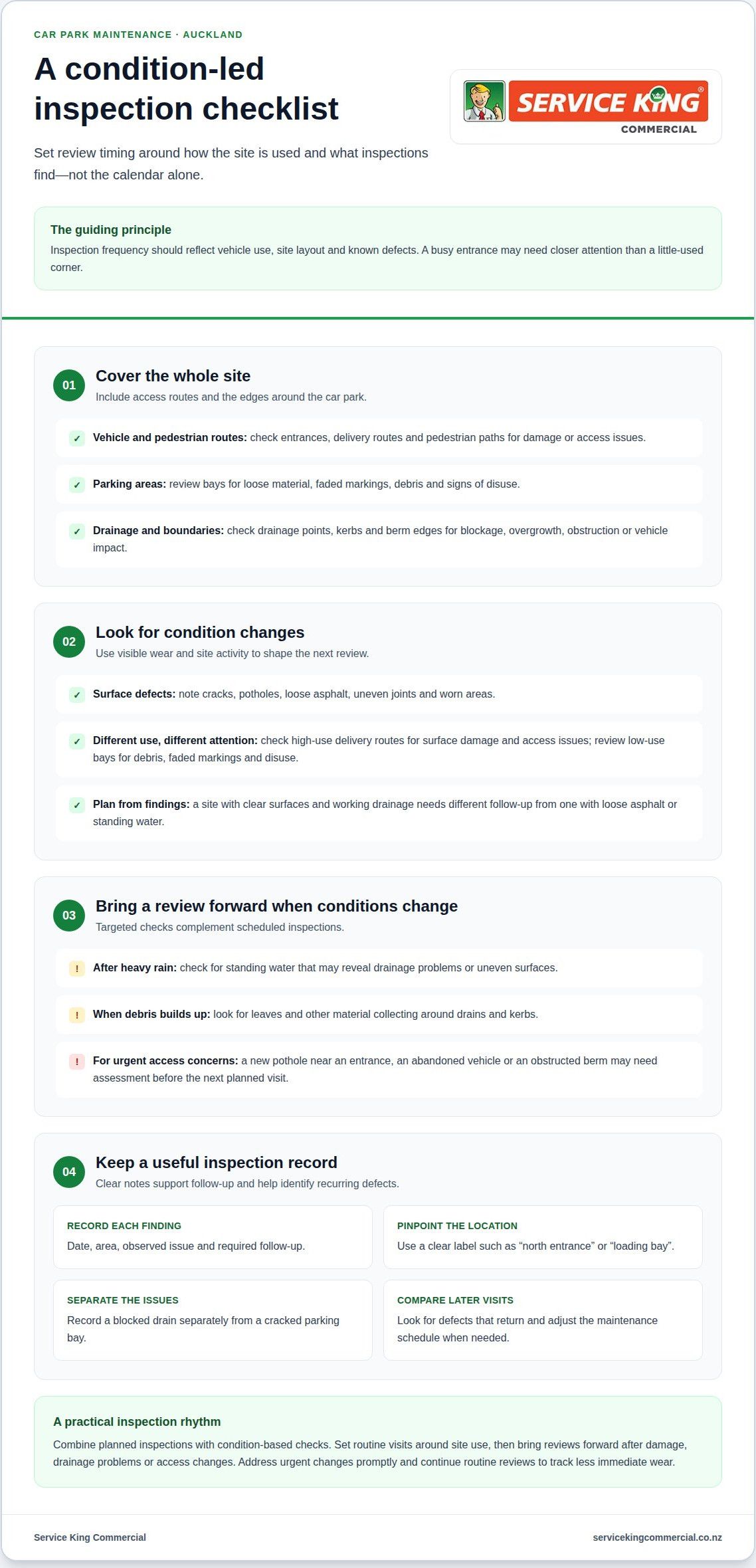
An inspection is a planned review of a car park’s condition. Its frequency should reflect vehicle use, site layout and known defects. A busy entrance may need closer attention than a little-used corner. Cover pedestrian routes, parking bays, drainage points and berm edges so each visit considers the whole site.
Routine maintenance is recurring work that keeps a site serviceable. The right interval depends on inspection findings. A car park with clear surfaces and working drainage, for example, needs different follow-up from one with loose asphalt or standing water. Set the next visit according to observed condition and site activity, not the calendar alone.
Condition-led maintenance schedules work according to visible wear, helping prioritise defects before they spread. During inspections, note cracks, potholes, faded markings, damaged kerbs and blocked drains. Record each location clearly, such as “north entrance” or “loading bay”. This gives maintenance teams a practical basis for planning follow-up work.
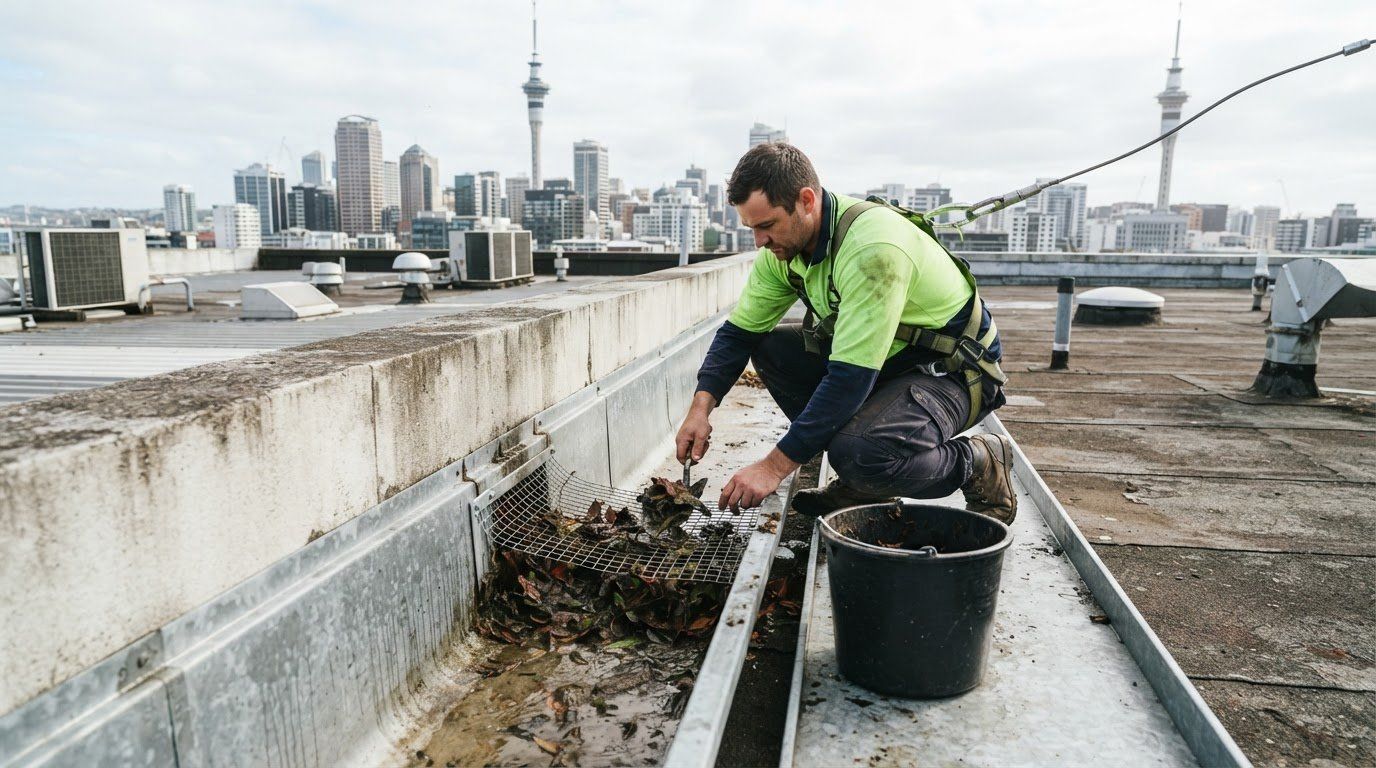
Weather and seasonal changes can affect inspection timing. After heavy rain, standing water may reveal drainage problems or uneven surfaces. Leaves and other debris can collect around drains and kerbs too. Arrange an additional review when site conditions change noticeably. This targeted check complements, rather than replaces, scheduled inspections.
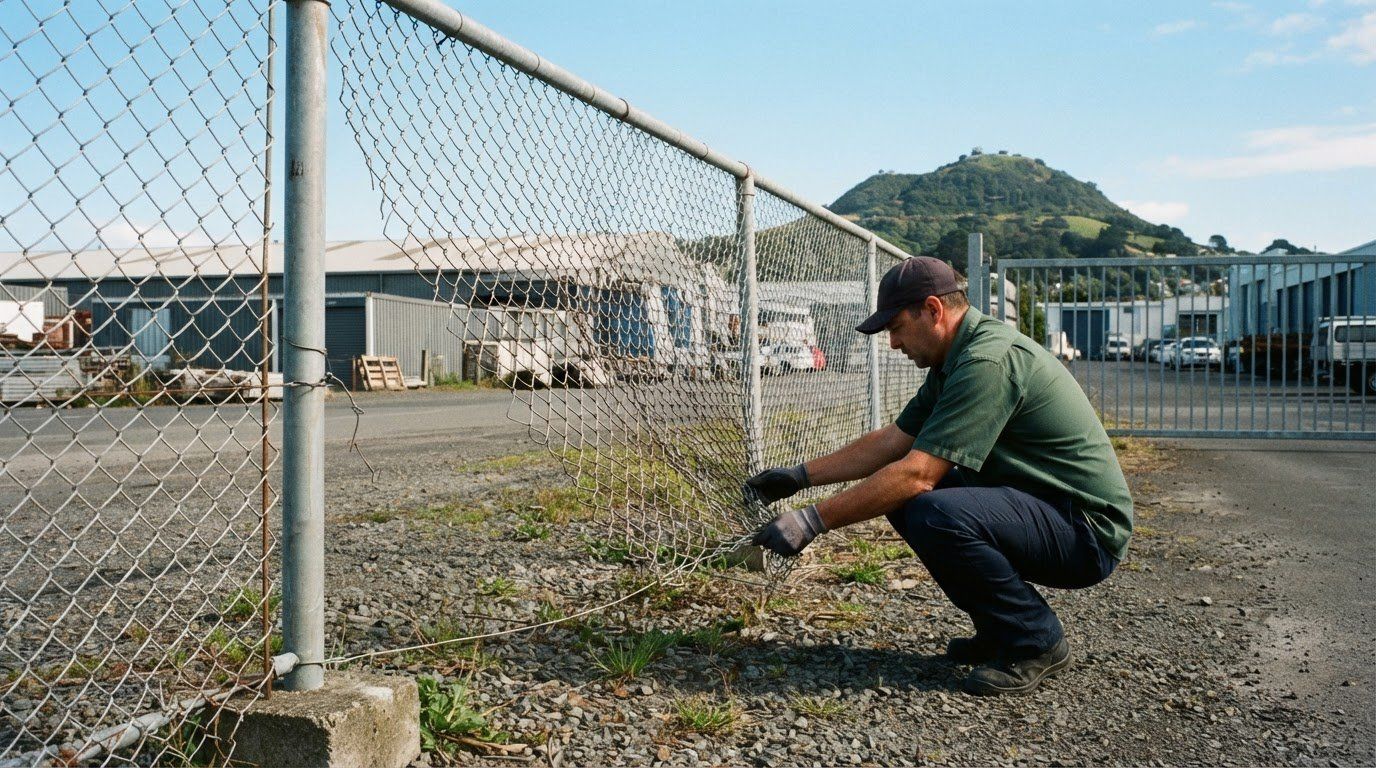
Different areas may need different inspection intervals. A delivery route, for example, may experience heavier vehicle use than visitor parking. Check high-use routes for surface damage and access issues, and review low-use bays for debris, faded markings and signs of disuse. Attend to berms when edges become overgrown, obstructed or affected by vehicle movement.
An inspection record is a written log of findings and actions. It helps show whether a defect keeps returning. Include the date, area, observed issue and required follow-up. Record a blocked drain separately from a cracked parking bay, for example. Comparing later records can reveal recurring problems and help adjust the maintenance schedule.
Urgent changes call for prompt assessment rather than waiting for the next planned visit. A new pothole near an entrance, for instance, may affect vehicle movement. An abandoned vehicle or obstructed berm may also need separate attention. Note the location and impact, then arrange appropriate follow-up. Continue routine reviews to track less immediate wear.
For Auckland sites, a practical schedule combines planned inspections with condition-based checks. Set routine visits around site use, then bring reviews forward after damage, drainage problems or access changes. This directs attention to the areas that need it most without applying one unsupported interval to every car park.
Professional asphalt and concrete car park maintenance
A condition survey reviews pavement defects. Professionals map cracks, potholes, worn areas and uneven joints, recording each defect’s location and extent. A crack near a vehicle entrance differs from loose material in a quiet bay. The record helps identify suitable repairs and provides a baseline for later inspections.
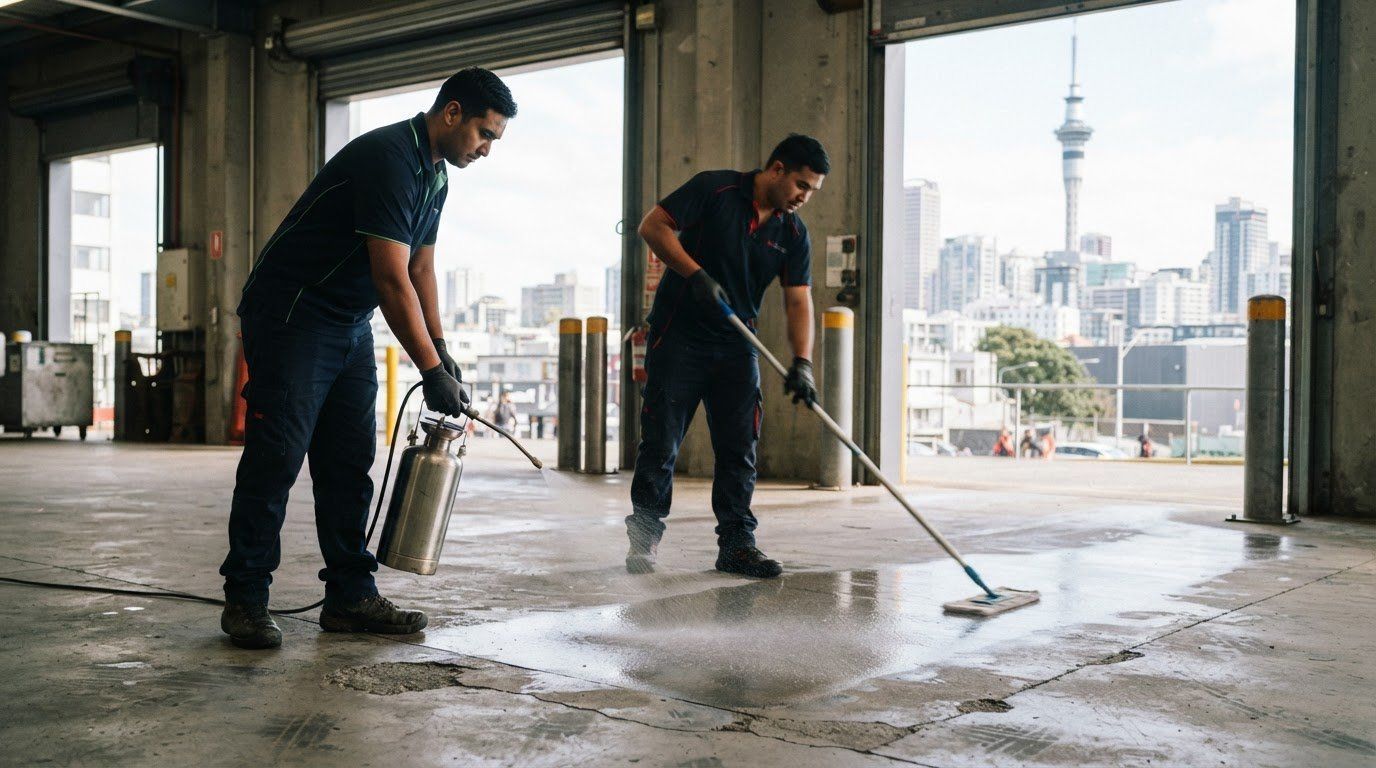
Surface cleaning removes loose material before repairs begin. Maintenance teams clear debris from damaged areas and drainage routes, making defects easier to assess. Leaves, for example, can conceal a blocked drain or small crack. Cleaning also prepares the affected area for repair materials. The method depends on the surface and surrounding site.
Asphalt patching repairs localised damage in asphalt pavement. First, the damaged area is assessed and prepared. Loose or unsound material is removed before a suitable patch is applied. A pothole on a vehicle route may need different attention from wear across a parking bay, so the repair should suit the defect’s size and location.
Crack repair addresses openings in the pavement surface. Assess whether cracks are isolated or widespread, then clear the affected areas and select an appropriate repair approach. A narrow crack differs from a broken pavement edge, and location matters too. Cracks near drainage points may need closer attention during assessment.
Concrete repair restores damaged sections of concrete pavement. An inspection considers cracks, spalling and damaged joints. Spalling is where surface concrete has broken away. The repair plan depends on the defect’s extent and the surrounding condition. A damaged joint, for example, may require different work from a chipped corner. Sound preparation supports a neat, durable repair.
Drainage maintenance helps water move away from paved areas. Inspect drains, channels and low points for obstructions. Standing water may indicate a blocked outlet or uneven surface. Clearing an obstruction differs from repairing a depression, so assess the cause before planning work. This helps avoid treating only the visible symptom.
Line marking maintenance refreshes worn parking and traffic markings. Review bay lines, directional arrows and pedestrian routes. Faded markings can make the site layout harder to follow. Plan marking work after pavement repairs so new lines suit the repaired surface. The layout and existing site use guide the work area and sequence.
A maintenance plan records the defects found and work completed. Professionals can use it to track recurring cracks, drainage issues, and repairs across the site. Asphalt and concrete need assessment based on their actual condition. Arrange professional car park repair and maintenance when surface defects need a coordinated assessment.
Service King Commercial
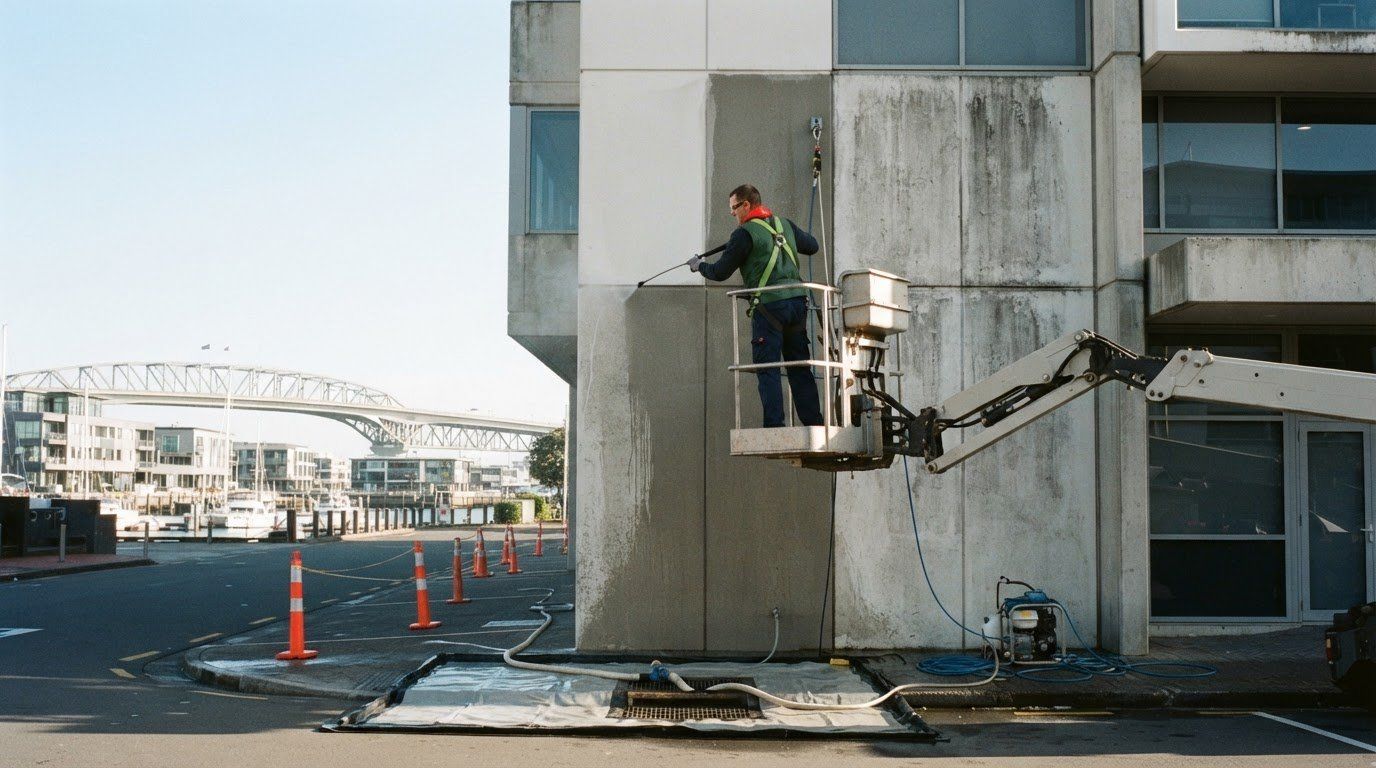
Service King Commercial supports property maintenance that affects car park condition and use. Its building repair and maintenance services address damaged site features, while exterior building maintenance and scheduled maintenance help organise wider upkeep around a commercial property.
Turn to Service King Commercial when inspection findings point to repair or ongoing maintenance work. Vehicle management for an abandoned car is separate from physical site upkeep. Berm damage, debris and deteriorating surfaces can be considered within the property’s maintenance requirements.
Contact Service King Commercial to discuss maintenance needs for your property.
Put a clear maintenance plan in place
A well-managed car park starts with clarity about who handles each issue. Separate physical upkeep from decisions about abandoned vehicles. Record who receives reports, assesses the site and arranges follow-up. This gives property teams a practical process for managing issues without confusing vehicle matters with surface repairs.
For car park maintenance in Auckland, connect planned site work with the property’s wider condition. Exterior building maintenance can be planned alongside car park repairs when both affect site upkeep. This joined-up view helps keep responsibilities clear as needs change.
When arranging professional support, set out the affected areas, access requirements and work concerns. This gives the discussion a useful starting point and helps align the maintenance scope with the property’s needs. Service King Commercial can discuss building maintenance and repair requirements as part of that planning.
Discuss your property maintenance needs with Service King Commercial, and take the next step towards a clearer plan for your site.
Frequently Asked Questions
What car park maintenance services are available in Auckland?
Available work includes building repairs, exterior upkeep and scheduled property maintenance. For a commercial car park, this could mean addressing damage to site features, maintaining surrounding exterior areas or organising recurring upkeep. The required scope depends on the property and its condition. Abandoned vehicles involve a separate vehicle-management issue, while berm damage and site deterioration can form part of wider property maintenance planning.
Which Auckland companies provide car park maintenance services?
Service King Commercial provides building repair and maintenance, exterior building maintenance, scheduled maintenance and trade services for commercial properties in Auckland. These services can support property upkeep where car park concerns sit alongside wider building maintenance needs. For example, a property manager dealing with damaged site features can discuss the repair requirements and how they fit the premises’ broader maintenance work.
How can Auckland businesses minimise disruption during car park maintenance?
Plan maintenance around site use, access restrictions and the affected work area. Coordinate work near busy entrances or occupied parking spaces, and schedule repairs to suit vehicle movement.
Recent Posts